اختبار التيار الثانوي للريليه: الدليل الشامل لضمان كفاءة الحماية الكهربائية

يُعتبر اختبار التيار الثانوي للريليه من العمليات الأساسية في فحص وصيانة أنظمة الحماية الكهربائية، حيث يساعد على التأكد من أن الريليه يعمل بدقة وفقًا للمواصفات المحددة. يُستخدم هذا الاختبار بشكل رئيسي لضمان أداء الريليه بشكل صحيح قبل تشغيل النظام أو بعد عمليات الصيانة الدورية، مما يقلل من احتمالات الأعطال الكهربائية ويعزز السلامة العامة للمنشأة.
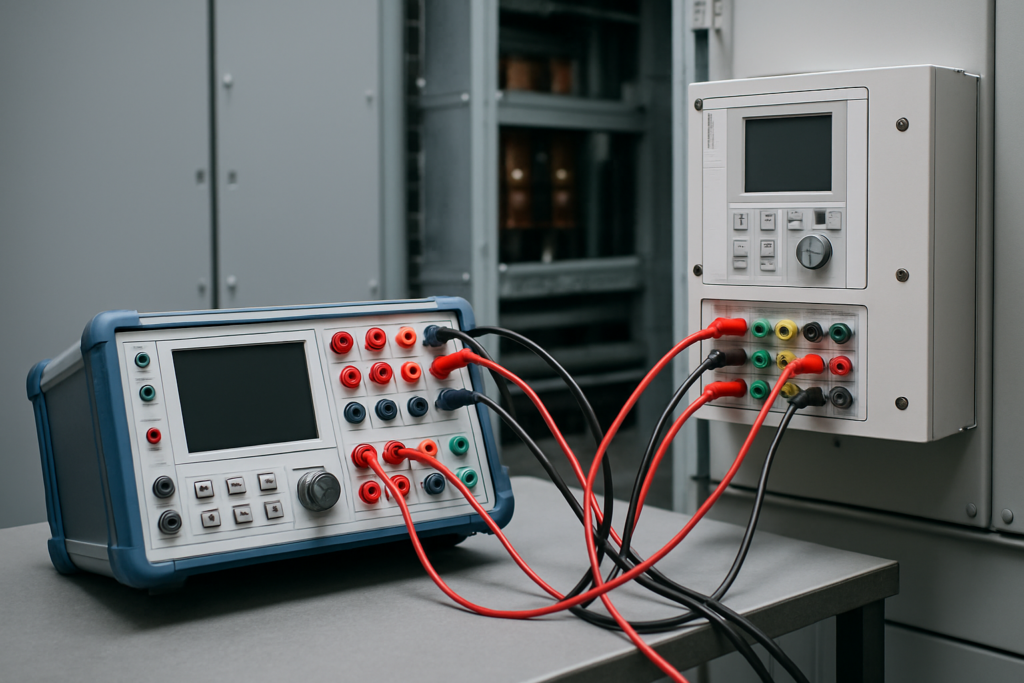
يتطلب اختبار التيار الثانوي للريليه خبرة فنية عالية وأدوات قياس دقيقة لضمان نتائج موثوقة. يعتمد الاختبار على حقن تيارات ثانوية معروفة إلى الريليه ومراقبة استجابتها، حيث يتم مقارنة النتائج مع القيم المرجعية. يساهم هذا الإجراء في تحديد أي عطل أو خلل في الريليه أو في دائرة الحماية، وبالتالي يسهل تصحيحها قبل أن تتسبب في أضرار أكبر أو توقفات غير مخططة.
أهمية اختبار التيار الثانوي للريليه
تُعد أهمية اختبار التيار الثانوي للريليه كبيرة جدًا في منظومة الحماية الكهربائية، حيث يضمن أن كل جهاز حماية يعمل بدقة عالية للتمييز بين الحالات الطبيعية والحالات الطارئة. إذا لم يتم إجراء هذا الاختبار بشكل دوري، قد يؤدي ذلك إلى عدم استجابة الريليه بشكل صحيح أثناء حالات الطوارئ، مما يهدد سلامة المعدات والأفراد.
علاوة على ذلك، فإن اختبار التيار الثانوي للريليه يساهم في تقليل عمليات الصيانة غير الضرورية، حيث يمكن الكشف المبكر عن الأعطال الصغيرة قبل أن تتطور إلى أعطال كبرى. كما يُعد جزءًا من عمليات الاعتمادية والجودة التي تضمن استمرارية العمل وتحقيق أعلى معايير السلامة والأمان في المنشآت الكهربائية.
خطوات إجراء اختبار التيار الثانوي للريليه
يبدأ اختبار التيار الثانوي للريليه بتحديد القيم المرجعية والتي عادةً ما تكون من خلال المواصفات الفنية للريليه والنظام. بعد ذلك، يتم توصيل جهاز اختبار التيار الثانوي إلى مدخل الريليه، حيث يتم حقن تيارات معروفة وقيم محددة بشكل تدريجي أو متسلسل. خلال الاختبار، يُراقب أداء الريليه واستجابته للتيارات المطبقة.
يجب أن تتضمن عملية الاختبار تسجيل جميع القراءات ومقارنتها مع القيم المسموح بها، مع تحديد أي انحرافات أو أخطاء في الاستجابة. في حال وجود خلل، يتم تحديد السبب وإجراء التصحيحات اللازمة، سواء كان ذلك في ضبط الريليه أو استبداله. يختتم الاختبار بتوثيق النتائج وتحديث سجل الصيانة الخاص بالنظام لضمان تتبع الأداء على المدى الطويل.
المعدات والأدوات المستخدمة في اختبار التيار الثانوي للريليه
- جهاز اختبار التيار الثانوي: جهاز متخصص يتيح حقن تيارات معروفة وقيم دقيقة إلى الريليه.
- محاكيات التيار: أدوات تساعد على محاكاة ظروف التشغيل الواقعية للريليه.
- مقاييس التيار والجهد: لقياس الاستجابة والتحقق من صحة النتائج.
- كابلات التوصيل والتوصيلات: لضمان التوصيل الصحيح بين جهاز الاختبار والريليه.
- جهاز تسجيل البيانات: لتوثيق نتائج الاختبار وتحليلها لاحقًا.
اختيار الأدوات الصحيحة أمر حاسم لضمان دقة الاختبار وموثوقية النتائج. كما أن استخدام معدات معتمدة ومطابقة للمواصفات يساهم في تقليل الأخطاء وتحقيق نتائج دقيقة تعكس الحالة الحقيقية للريليه والنظام بشكل عام.
ختامًا، فإن اختبار التيار الثانوي للريليه يمثل جزءًا أساسيًا من برامج الصيانة والاختبار الدورية للأنظمة الكهربائية، ويجب أن يتم بواسطة فنيين ذوي خبرة عالية لضمان الأداء الأمثل والحفاظ على سلامة المنشأة وسلامة الأفراد.
The relay secondary injection test is a fundamental procedure in inspecting and maintaining electrical protection systems, ensuring that relays operate accurately according to specified parameters. This test is primarily used to verify proper relay performance before system startup or after maintenance, reducing the risk of electrical faults and enhancing overall safety within the facility.
Conducting a relay secondary injection test requires high technical expertise and precise measuring instruments to ensure reliable results. The test involves injecting known secondary currents into the relay and observing its response, which is then compared to reference values. This process helps identify any faults or malfunctions in the relay or its protection circuit, facilitating timely corrective actions before larger damages or unplanned outages occur.
The Importance of Relay Secondary Injection Test
The importance of relay secondary injection testing cannot be overstated in electrical protection systems, as it guarantees that each protection device functions with high precision to distinguish between normal and fault conditions. Without periodic testing, relays may fail to respond correctly during emergencies, jeopardizing equipment safety and personnel security.
Additionally, the relay secondary injection test helps reduce unnecessary maintenance by detecting minor faults early before they escalate into major issues. It is also an essential part of reliability and quality assurance processes, ensuring continuous operation and adherence to safety standards in electrical installations.
Steps to Perform Relay Secondary Injection Test
The process begins with establishing reference values based on relay specifications and system requirements. Next, a secondary injection device is connected to the relay input, where known currents are injected in a controlled, incremental, or sequential manner. During the test, the relay’s response is monitored carefully.
All readings are recorded and compared against permissible limits, with any deviations or errors identified. If faults are detected, troubleshooting and adjustments are performed, whether through relay calibration or replacement. The test concludes with detailed documentation of results and updating the maintenance logs to ensure long-term performance tracking.
Equipment and Tools for Relay Secondary Injection Testing
- Secondary injection tester: A specialized device for injecting accurate, known currents into the relay.
- Current simulators: Tools that mimic real-world relay operating conditions.
- Current and voltage meters: For measuring response accuracy and validating results.
- Cabling and connectors: To ensure proper connections between testing devices and relays.
- Data logging devices: For recording and analyzing test data.
Choosing the right equipment is critical for ensuring test accuracy and reliable results. Using certified and compliant tools minimizes errors and provides a true reflection of the relay and system health.
In conclusion, the relay secondary injection test is an essential part of electrical system maintenance and periodic testing programs. It must be performed by skilled technicians to guarantee optimal performance, safety, and reliability of electrical protection systems.